
We heard a lot about Mallorca while growing up, and after visiting the island in April 2024 were surprised by how different it is in reality, and how much there are to see. In the post below fun facts about Mallorca, places to see and discover in the post here.
Fun facts about Mallorca
1. Why “Mallorca”, what is Mallorca
The name “Mallorca” comes from the Latin “insula maior“, meaning “larger island”. This later become “Mairoica”, meaning “the larger one”.
(Similarly, neighbouring “Menorca” means the smaller one)
Mallorca, Menorca, Ibiza and Formentera comprise group of the very different Balearic Islands:

2. Mallorca has one of the clearest waters in Mediterranean. How?
The seabed all around the island are covered in Posidonia oceanica, sea grass, which oxygenate and clear waters like nothing else:
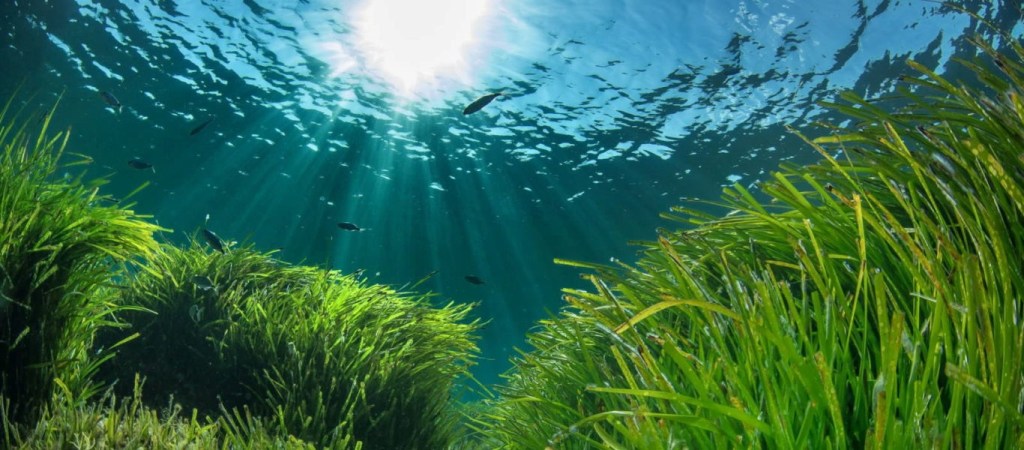
Posidonia oceanica is one of the oldest known organisms, with some meadows estimated to be over 100,000 years old, making them some of the longest-living ecosystems on Earth.
3. Unreal, like in Hawaii, turquoise color of the waters
Thanks to the Posidonia oceanica, (which is highly protected by Local and International law), you can see one of the most attractive marine waters:
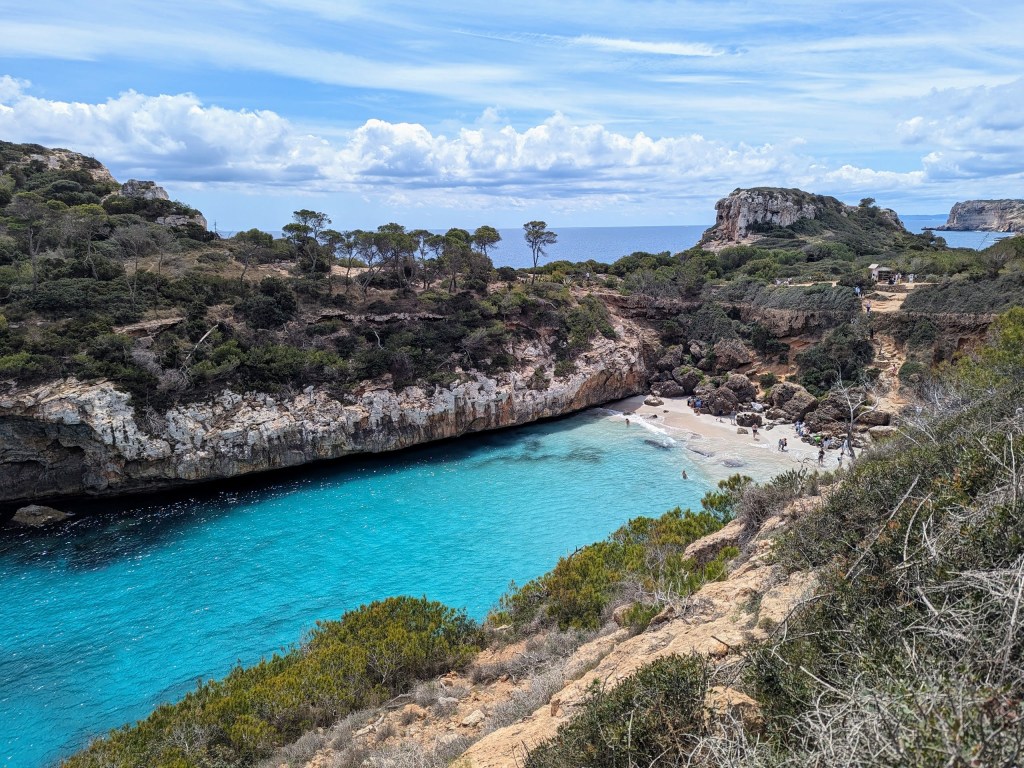
Short video below shot from one of the local beaches in Mallorca:
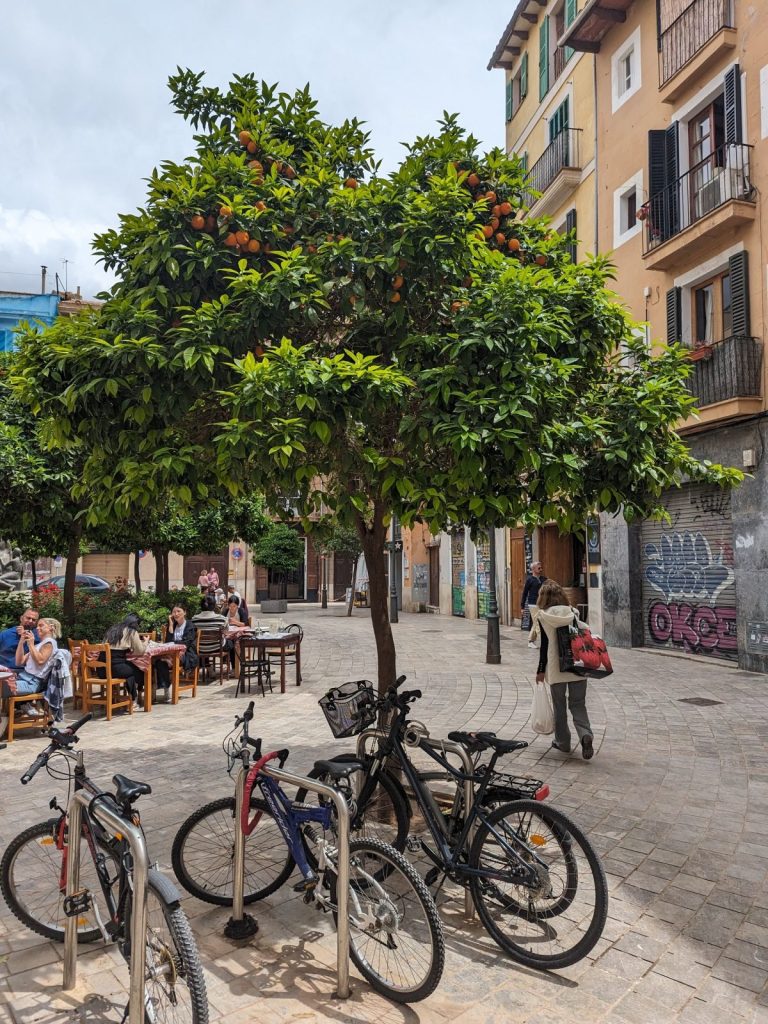
4. The most fascinating thing about the Palma de Mallorca: citrus trees
Citrus trees have been cultivated in Mallorca since the 10th century, brought to the island by the Moors (in the post below).
Oranges are often seen growing in abundance along the streets and they are not just decorative – the fruit is often left for the public to enjoy:
5. Like a travel in time: old mills
If you’ll travelling/living at the southern part of the island near Sant Jordi, you can spot a lot of old mills from 17th-14th centuries, like the ones the picture below:
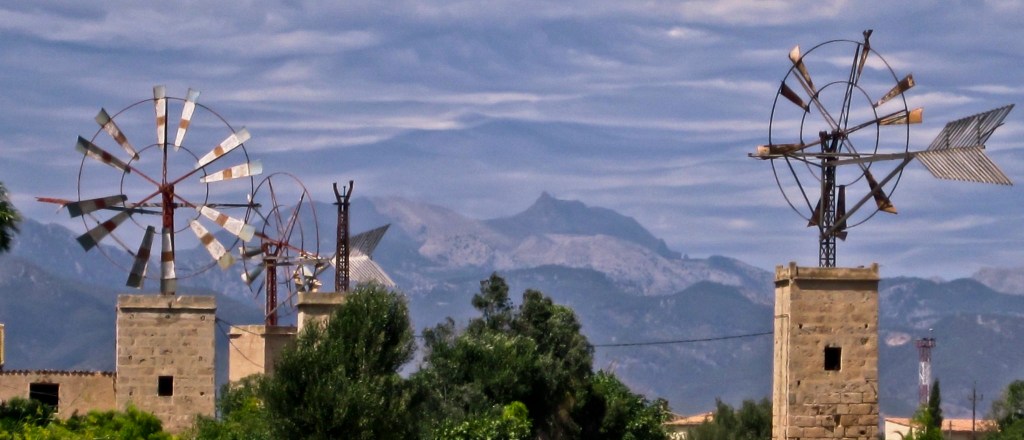
Historically, those traditional windmills were used for grinding grain and managing water flow for irrigation in Mallorca’s often dry environment.
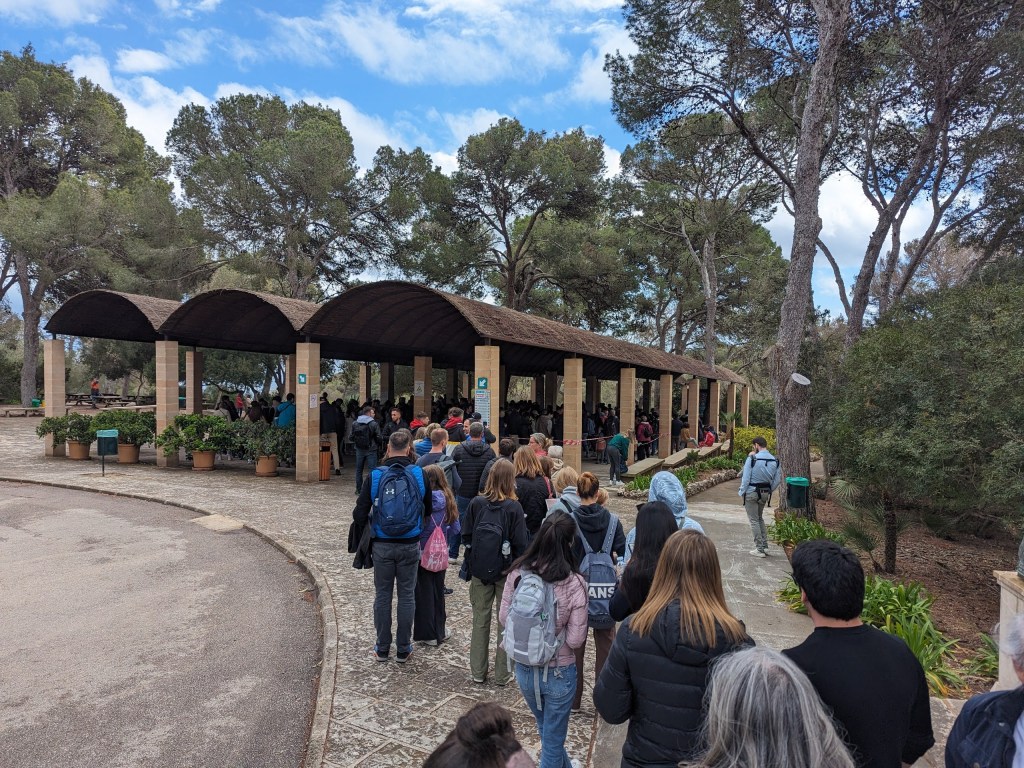
6. How bad are the crowds?
Mallorca is highly popular during July and August. Overall, it typically receives about 11–13 million tourists each year. (local population is a bit less than a 1 million)
7. What is the Salt Plains
The salt plains in Colonia de Sant Jordi (south part of the island) dating back to the Roman era, around 2,000 years ago.
Even today, salt harvesting is done in a traditional way, mostly by hand, during the warm summer months:
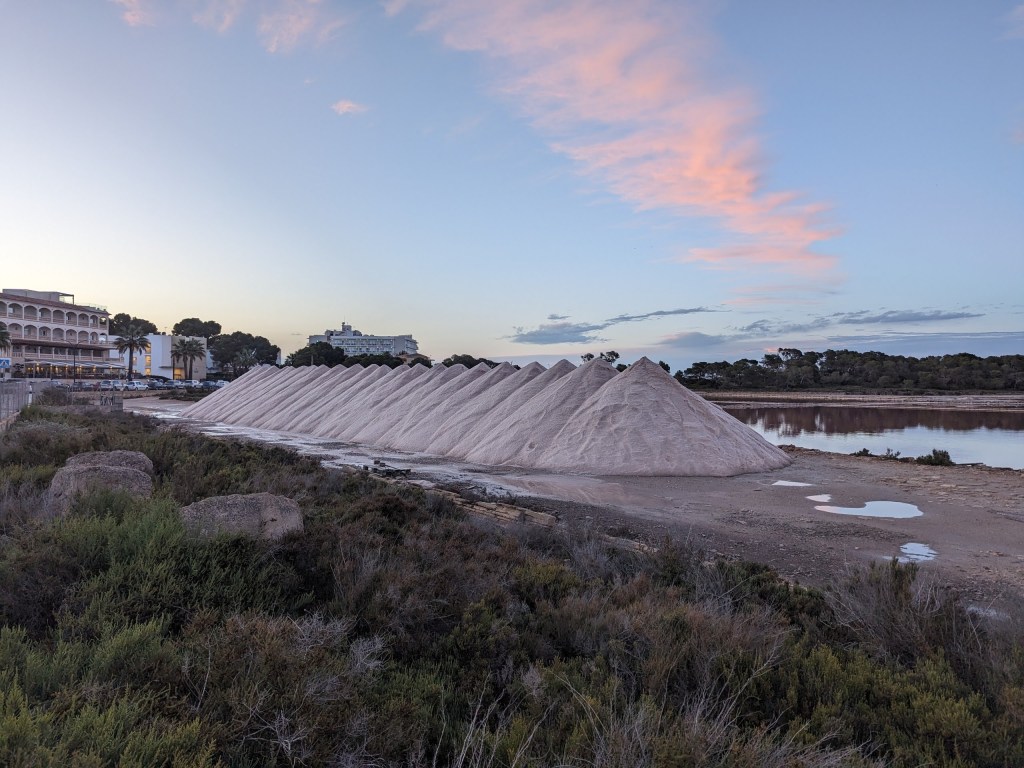
The water in the salt ponds often has a pinkish hue, especially in certain seasons. This color comes from an algae that thrives in high-salinity waters and attract flamingos!
8. Paella gatherings
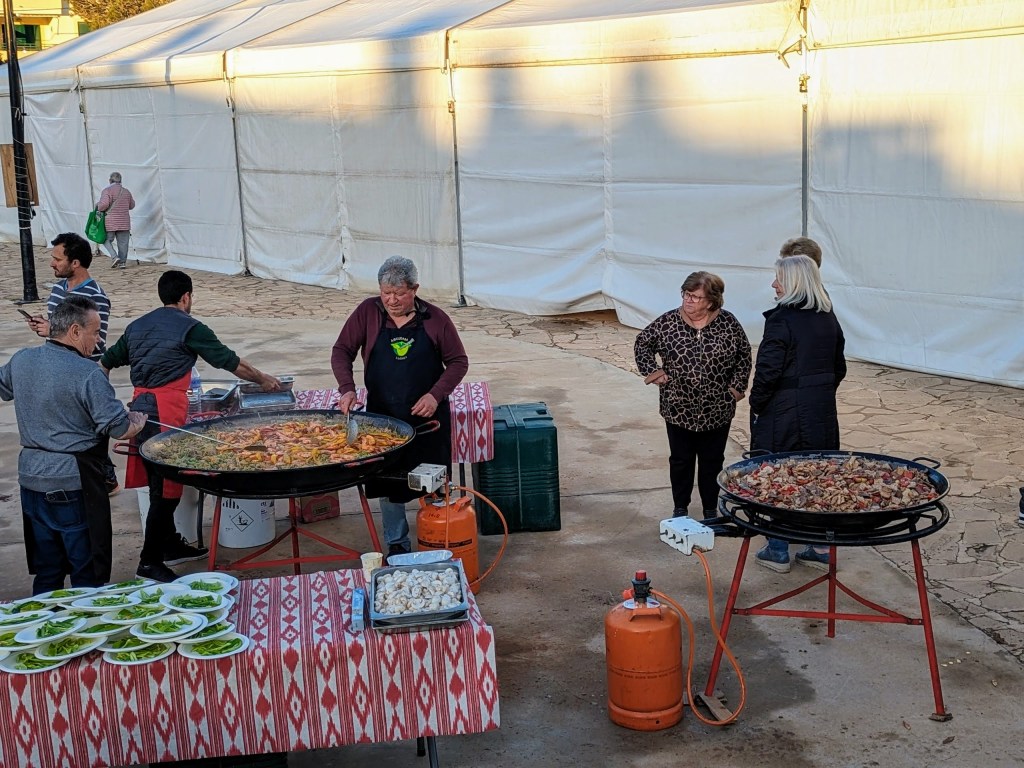
Paella gatherings are popular, beloved social tradition on Mallorca.
“Paelladas” are often held as part of local festivals, family gatherings, etc. There’s a strong sense of community and connection in these gatherings.
9. Local seasonal fruits
We were amazed by variety of mallorcan’s seasonal fruits, as some of them we never saw before, like the one one the picture below:
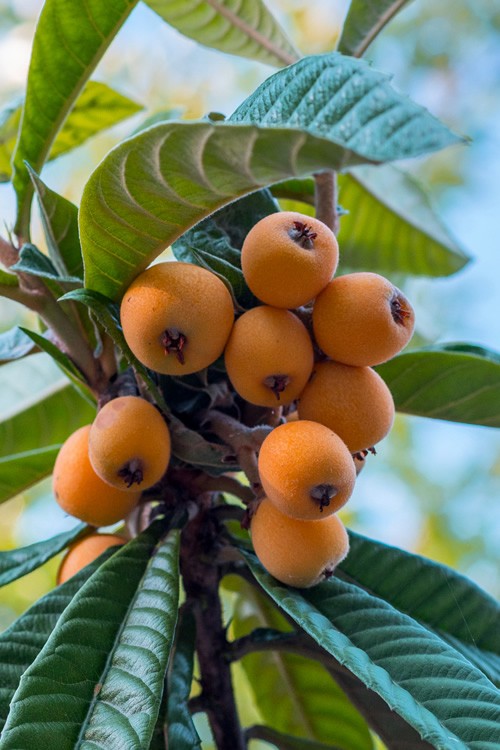
Loquats or “Nisperos” grows abundantly in Mallorca, though it originally came from the Far East. It tastes like something beetween apple and apricot.
10. Roaming cats
Mallorca has a lots of cats. Historically, cats were welcome at ports to control rodent populations on ships and around docks, which helped protect supplies and goods from pests.
Now cats are an integral part of the local landscape:

11. Fun facts about Mallorca: 2 local languages, Catalan and Spanish
Catalan became the island’s primary language after the its conquest in the 13th century by King James I of Aragon, who introduced Catalan culture and language to the Balearic Islands.
Spanish is also widely spoken and is the primary language of Spain, so it is commonly used alongside Catalan in public life. Most people in Mallorca are bilingual and use both languages.
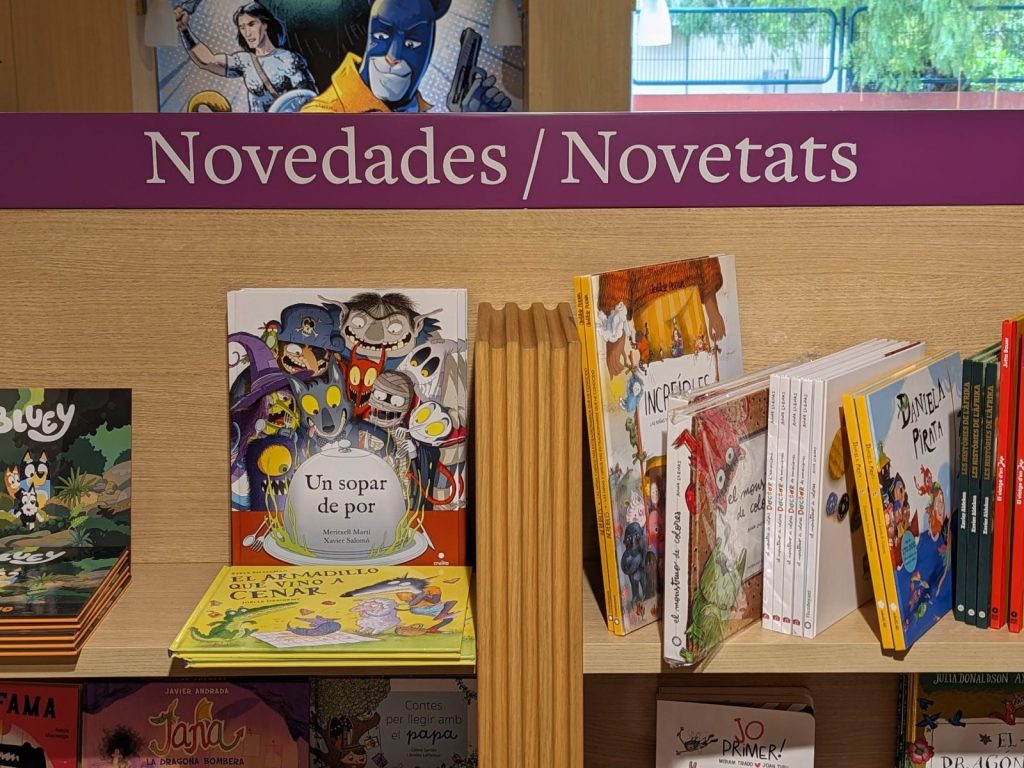
Pictured below: at the local book store: duplication of the sections:
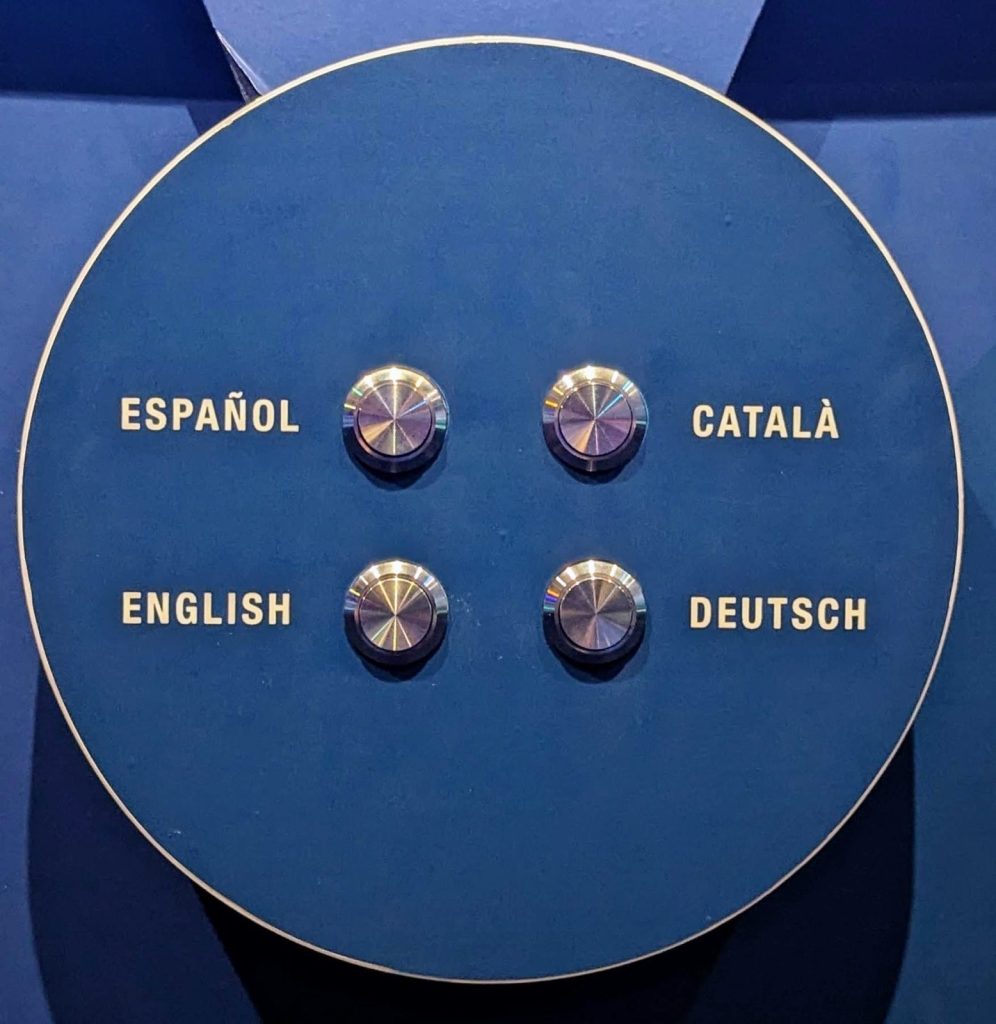
Signs for languages at the museum:
12. Home of the Rafael Nadal
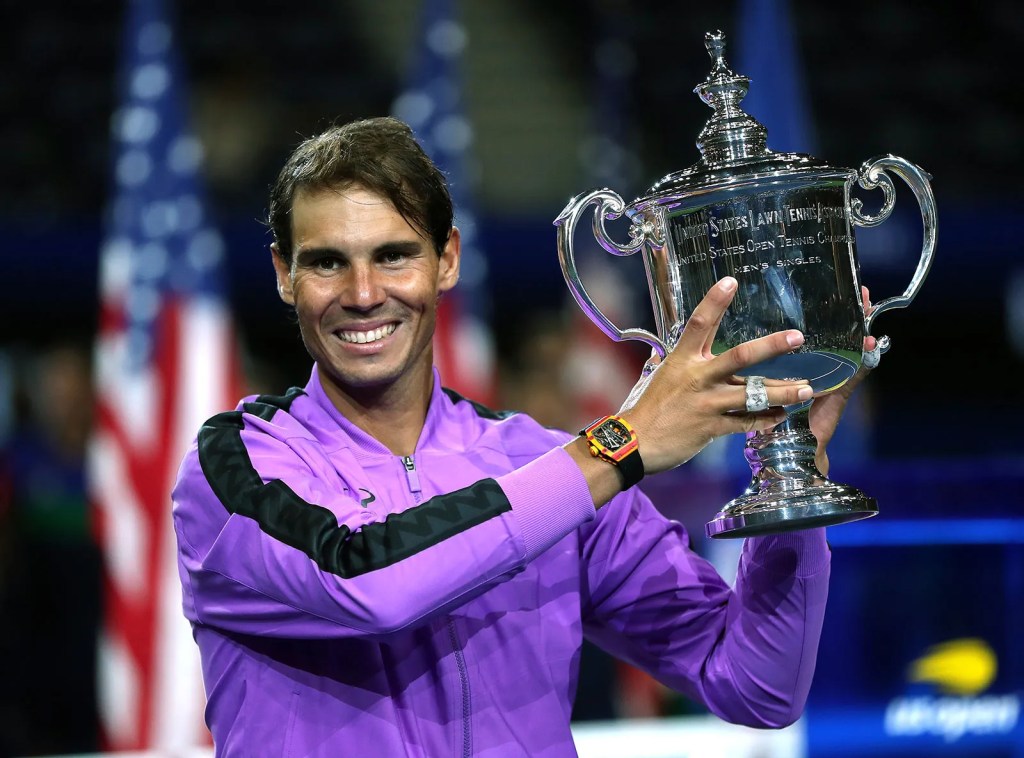
Rafael Nadal, born in Manacor, Mallorca in 1986, is one of the greatest tennis players of all time. Known for his dominance on clay courts, Nadal has won 22 Grand Slam singles titles, including a record 14 French Open titles:
Manacor, a town on the eastern side of Mallorca is the island’s second-largest city and famous worldwide as Nadal’s birthplace, with a museum and tennis academy dedicated to him.
13. Mallorca – one of the top European cycling locations
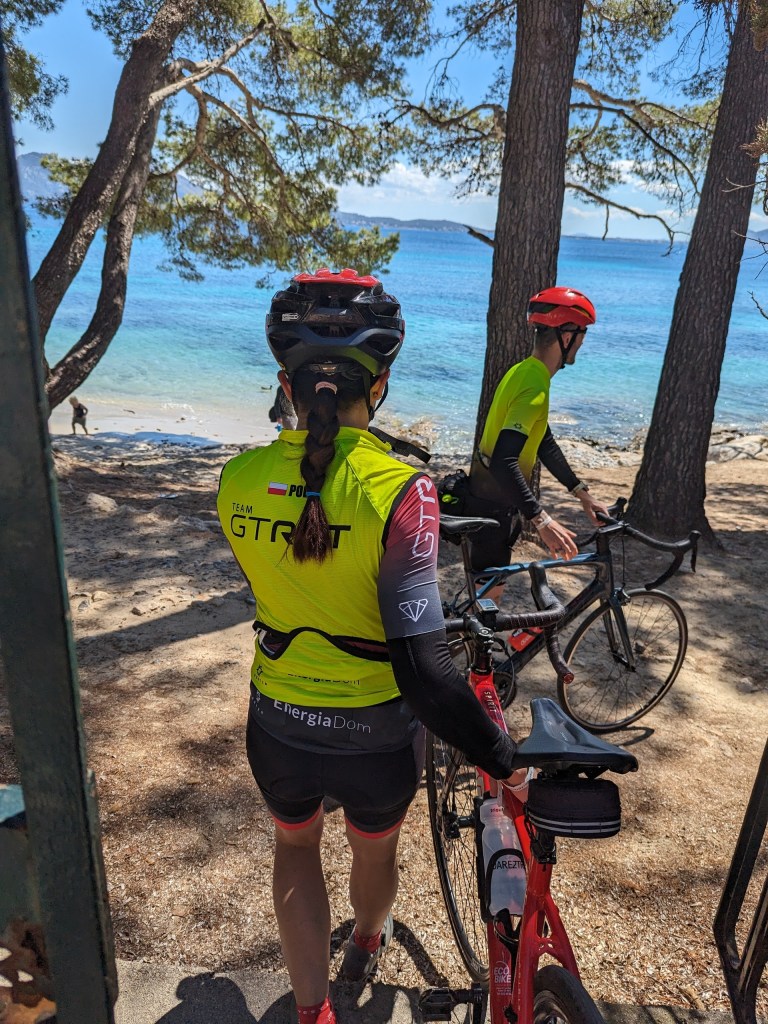
Around 200,000 cyclists visit Mallorca each year. The island’s ideal cycling conditions, including varied terrain and a mild climate, make it a top choice for training camps and cycling tourism, especially in the spring and autumn:
14. A bit of history. Who were the Moors?
Traces of Moor culture are visible all around Mallorca.
The Moors were Muslim inhabitants of North Africa, who expanded into the Spain, Portugal and southern Italy during the early medieval period, beginning in 711 AD.
They ruled large parts of Spain, including the Balearic Islands like Mallorca, for several centuries, bringing advancements in architecture, science, and agriculture, that have had a lasting influence on Spanish culture and heritage.

From 1229 Mallorca became Catalan, with Christians ruling the island.
Pictured below: traditional Mallorcan home:

15. Smell of the childhood
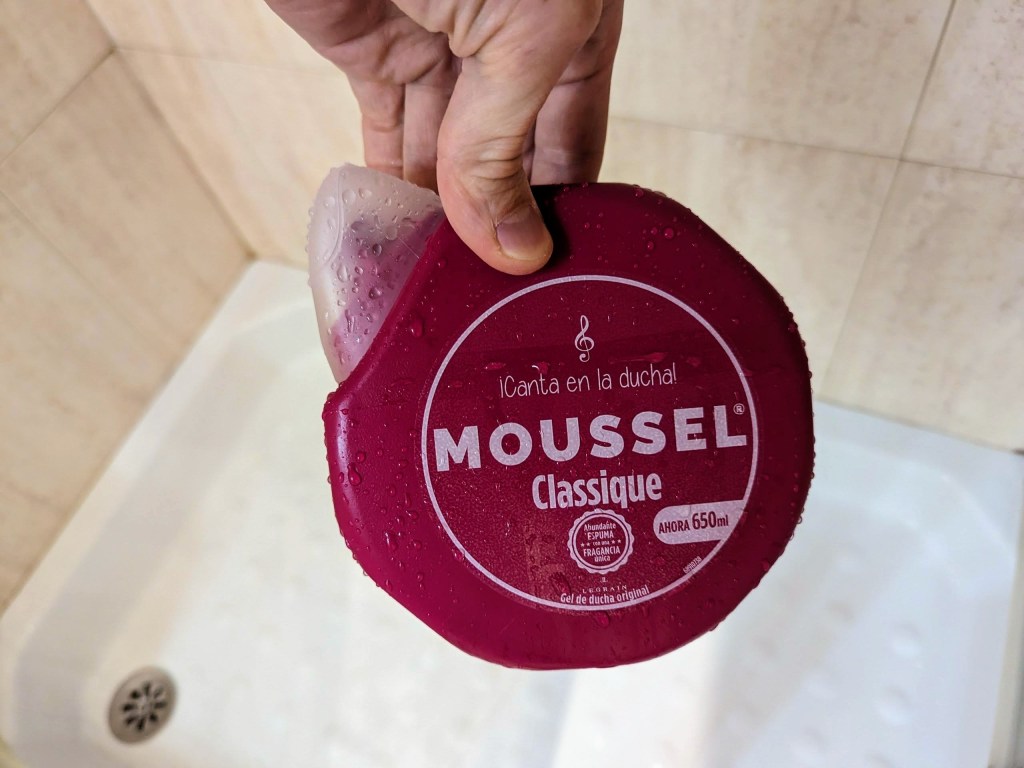
If you happened to travel in Mallorca, you can bring home something, very special for locals … – Moussel classic shower gel!
It has a distinctive, fresh scent that brings back fond memories of childhood and family, making it a nostalgic favorite across generations:
16. Fun facts about Mallorca: strange things
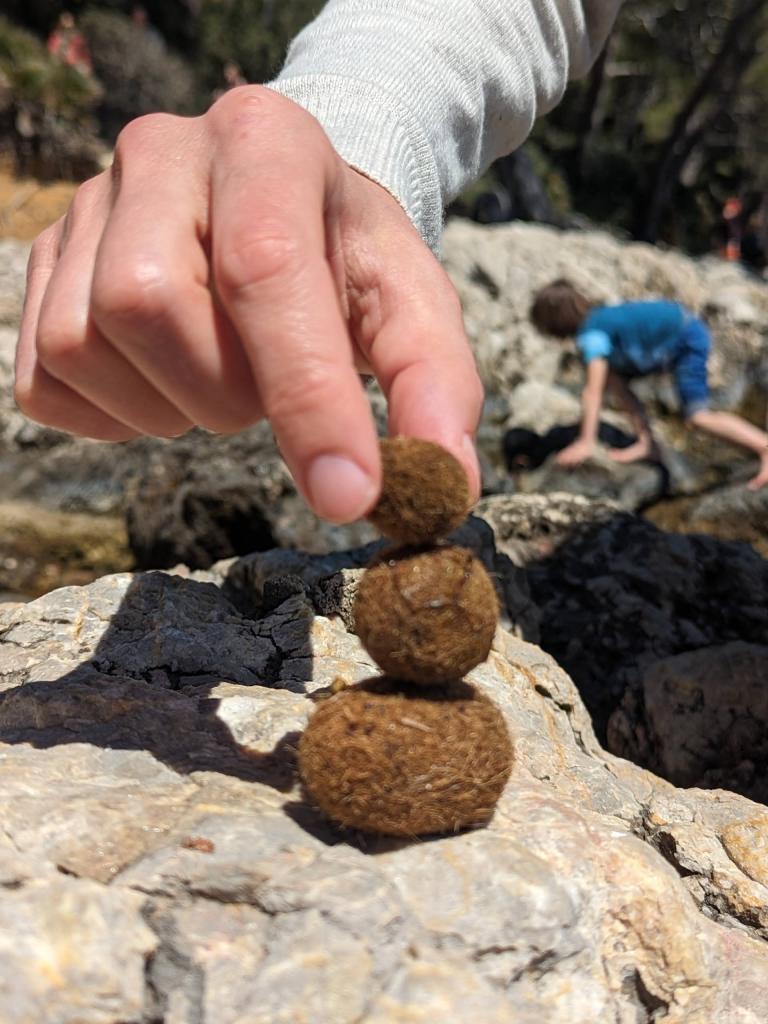
Large, round clumps of seagrass (posidonia oceanica) found on many of Mallorca’s beaches. When we first encountered it we wasn’t sure is it.. alive, is it a nut or a nest:
17. The Mallorca’s main source of income
More than half of the population is working in the tourism industry, and a vast amount, approximately 80%, is contributed to Majorca’s GDP.
(Since the 1950s, Mallorca has become a well-known tourist destination. Most of the tourists come from Germany or the UK.)
The agriculture sector occupies the second position. The island has good fertile land, and a variety of crops are cultivated here. The agriculture sector includes the production and export of almonds, oranges, lemons, olives, grapes, wine, and excellent cheeses.

18. Mallorca geology
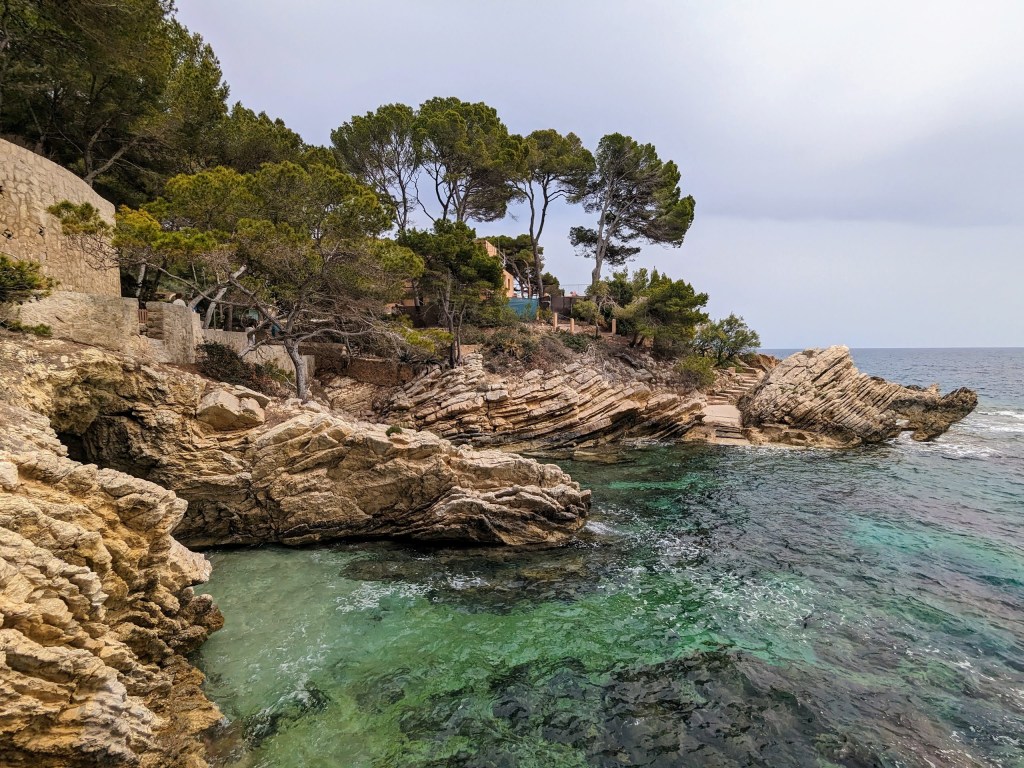
Mallorca has a stunning geology, defined by limestone which was formed through tectonic uplift and erosion over millions of years, creating dramatic cliffs and rugged landscapes:
19. Fun facts about Mallorca: local, extremely rare sport:
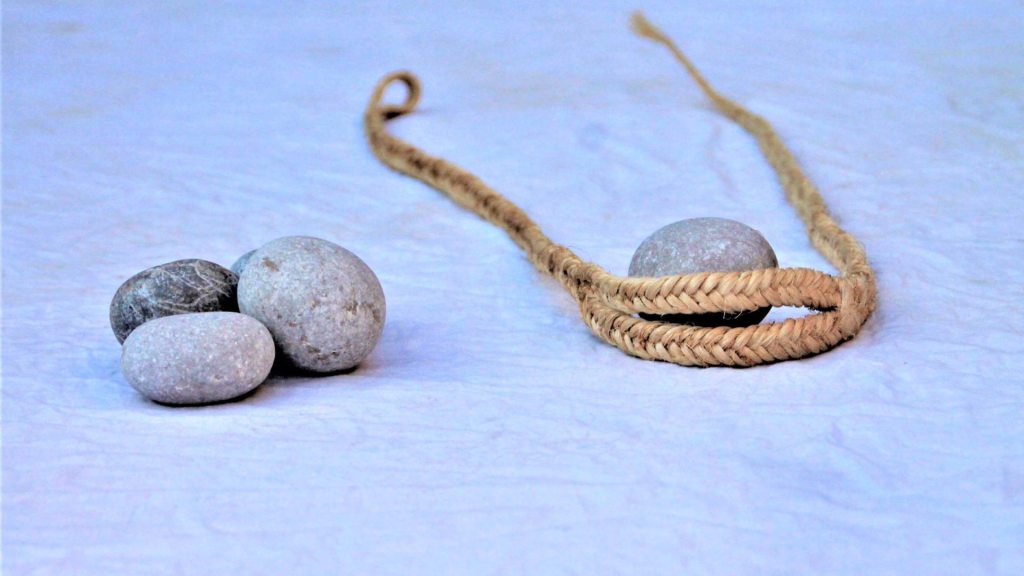
Slinging is a traditional sport unique to the Balearic Islands, with only a few hundred active participants.
It is an ancient sport dating back to the skilled slingers of the Balearic army in ancient times. And while it’s not a mainstream sport, slinging highly celebrated sport among locals.
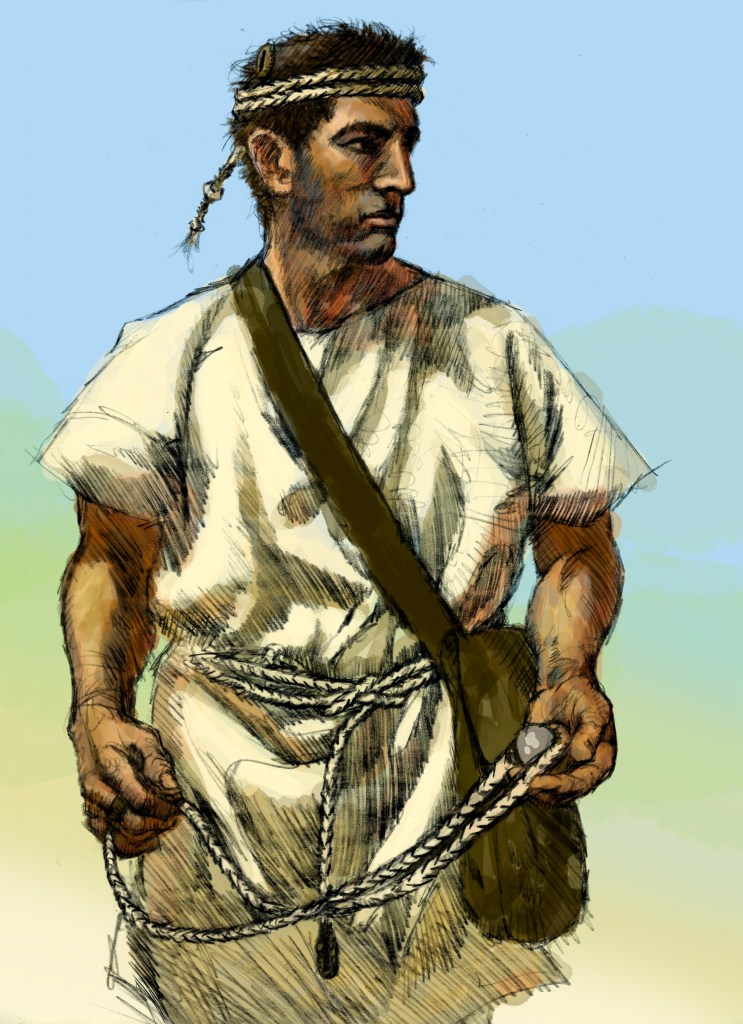
Pictured below: a woven slingshot and slinging stones:
Thanks for reading, friends!
